The GROW model is a simple four-step coaching framework: Goal, Reality, Options and Will. It helps someone decide what they want, see clearly where they are now, explore the ways forward, and commit to action. It is one of the most widely used coaching models in the world, and you can use it with clients, your team or yourself.
This guide explains where the GROW model came from, how each stage works, the questions to ask, and the people behind it. It is one of the core tools we teach coaches on our coaching qualification.
In this guide
The short answer
- Goal: what do you want to achieve?
- Reality: where are you now?
- Options: what could you do?
- Will: what will you do, and when?
Where the GROW model came from
GROW was developed in the 1980s by business coaches Graham Alexander, Alan Fine and Sir John Whitmore. It drew on the work of Tim Gallwey, whose 1974 book The Inner Game of Tennis showed that people perform better when a coach helps them notice and decide for themselves, rather than simply telling them what to do.
Sir John Whitmore is the name most often linked with GROW. Before coaching, he was a successful racing driver, winning the 1965 European Touring Car Championship in a Lotus Cortina. He went on to bring the Inner Game approach to Britain, co-found Performance Consultants, and set out the GROW model in his book Coaching for Performance, which has sold over a million copies in more than 20 languages.
The four stages of GROW
| Stage | What it does | The coach’s job |
|---|---|---|
| Goal | Sets a clear, specific target for the session and beyond | Help the client say exactly what she wants |
| Reality | Looks honestly at the current situation | Ask, listen and reflect back, without judging |
| Options | Explores possible ways forward | Draw out ideas before offering your own |
| Will | Turns options into a committed plan | Agree actions, timings and how she will stay on track |
The order matters. Starting with the goal gives the conversation direction, and checking reality afterwards stops the plan being built on wishful thinking.
GROW model questions to ask
Goal
- What would you like to achieve from our time today?
- What would success look like in three months?
- How will you know you have got there?
Reality
- What is happening now?
- What have you already tried?
- What is getting in the way?
Options
- What could you do?
- What else? What would you do if there were no limits?
- What would you tell a friend in your position?
Will
- Which option will you choose?
- What is your first step, and when will you take it?
- On a scale of one to ten, how committed are you?
A GROW coaching example
Here is how a short GROW conversation might go with a new business owner:
- Goal: "I want to sign three new clients by the end of next month."
- Reality: "I have had lots of interest from my free sessions, but I have not invited anyone to work with me."
- Options: "I could follow up with everyone who attended, run a short webinar, or offer a limited number of discovery calls."
- Will: "I will message the ten people who came to my last session by Friday and invite each of them to a call."
Who uses GROW, and why it works
GROW spread from executive coaching into sport, education and business, and is now used by managers, coaches and leaders all over the world. Its strength is that it is simple enough to remember in the middle of a real conversation, and it keeps the thinking with the person being coached.
The idea that everyone benefits from a coach is shared by some very well known people. In his 2013 TED talk on teaching, Bill Gates said: "We all need people who will give us feedback. That's how we improve." And Bill Campbell, a former American football coach, became known as the "trillion dollar coach" for his work with leaders at Google, Apple and other Silicon Valley companies.
A good coach does not give you the answers. She helps you find your own, and then helps you act on them.
Questions women ask us
What does GROW stand for in coaching?
GROW stands for Goal, Reality, Options (sometimes called Opportunities) and Will (sometimes called Way Forward or What Next).
Who created the GROW model?
The GROW model was developed in the 1980s by Graham Alexander, Alan Fine and Sir John Whitmore, and became widely known through Whitmore's book Coaching for Performance.
Can I use the GROW model on myself?
Yes. Working through the four stages on paper is a quick way to get unstuck on a decision or plan your week.
Do I need a qualification to use GROW with clients?
You can use GROW without one, but a recognised coaching qualification helps clients trust you and teaches you to use models like GROW well. Find out more about our coaching qualification.
Further reading
Study with She's In Business
Ready to build it properly?
Expert to CEO® is our live build programme for women turning expertise into a business, with expert implementation labs every weekday and accredited learning from a UK Government-recognised provider. Funding of up to 81% may be available, assessed on merit and need.
About the author
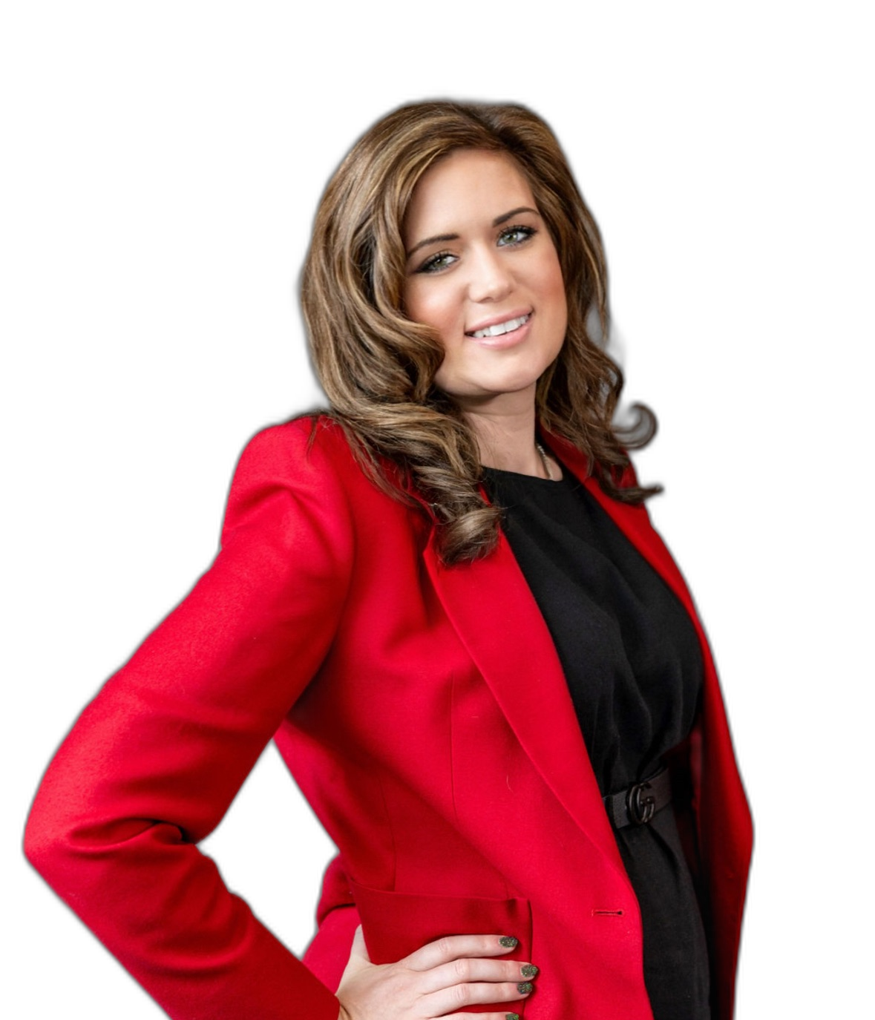
Dr Stephanie Wilson
Stephanie is the founder and President of She's In Business Global C.I.C., a UK Government-recognised learning provider (UKPRN 10097744). She holds a doctorate in business, with research into neurodivergent traits and entrepreneurial success, alongside degrees in law and in accounting and business. She is an Accredited Fellow Coach and Fellow Mentor with the IAPC&M, and has taught more than 14,000 women in over 40 countries how to turn their expertise into a business.